Leisure/ Outdoor Education/ Hospitality Redevelopment and Repositioning Opportunity in a Highly Accessible North Wales Location
Summary
- Substantial site with low site coverage
- Significant redevelopment potential
- Established use as an outdoor education and residential facility
- Prime location at the gateway to the Clwydian Range AONB
- Excellent connectivity to Cheter, Liverpool and Manchester
- Flexible development opportunity
- Suitable for a range of uses including leisure, hospitality or residential uses (STP)
- Existing infrastructure and access supporting potential phased development
- Strong underlying demand drivers including tourism, lifestyle and regional housing need
Location
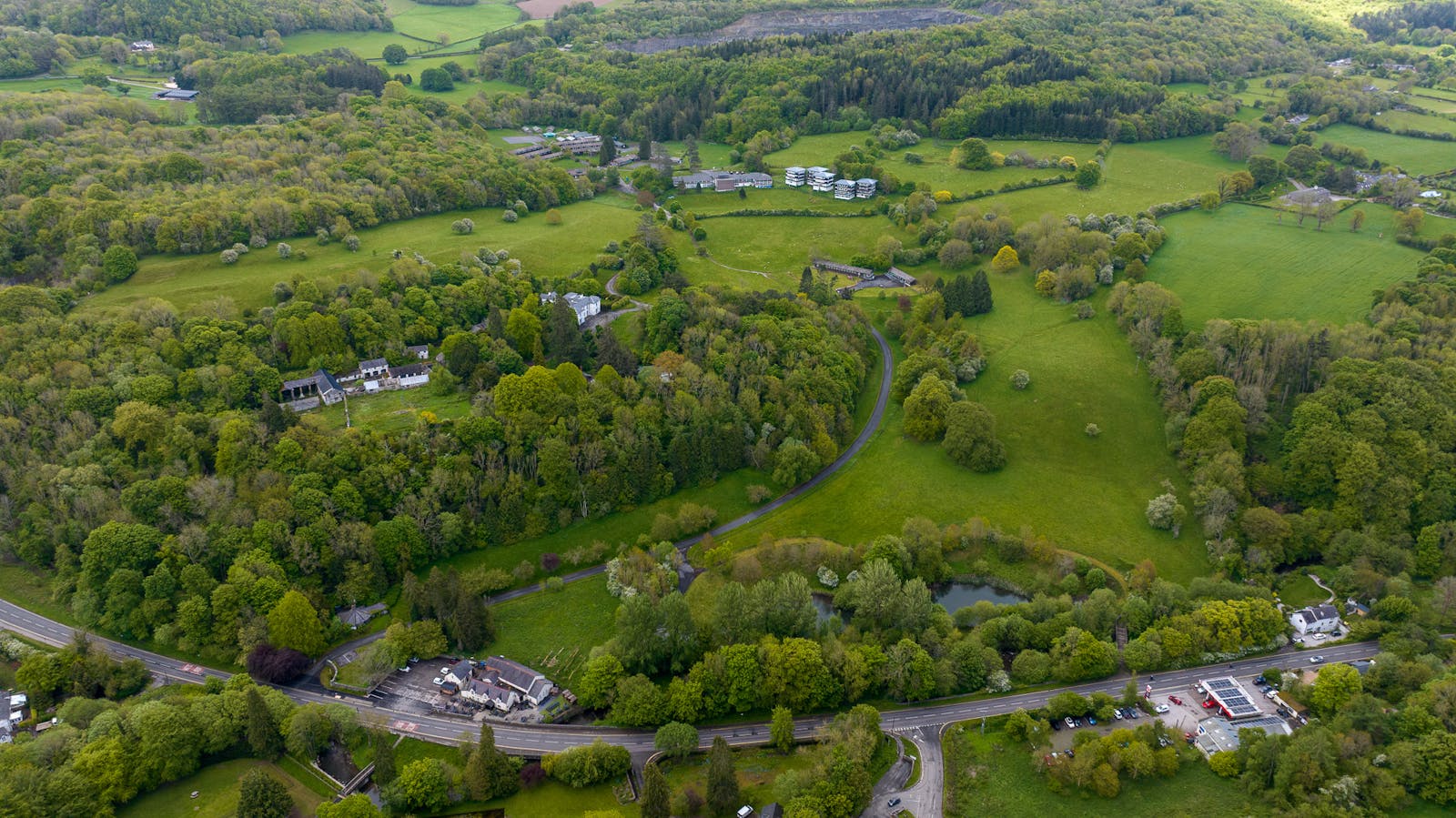
Colomendy is strategically located on Ruthin Road, Mold (CH7 5LB), approximately 5 miles west of Mold and 12 miles from Chester, one of the the region’s most affluent commercial and administrative centres.
The property benefits from strong transport connectivity via the A494 and A55 North Wales Expressway, providing direct access to the wider North West. Liverpool and Manchester are both accessible within approximately 45–60 minutes, offering access to a combined population of several
million people, as well as international airports.
Set on the edge of the Clwydian Range and Dee Valley Area of Outstanding Natural Beauty, the site enjoys a highly attractive natural environment, with extensive views, mature landscaping, and immediate access to outdoor leisure amenities. This unique positioning—combining accessibility with
a high-quality rural setting—underpins its suitability for a range of destination-led and lifestyle-driven development opportunities.
Get directions from Google Maps
Further Information
Description
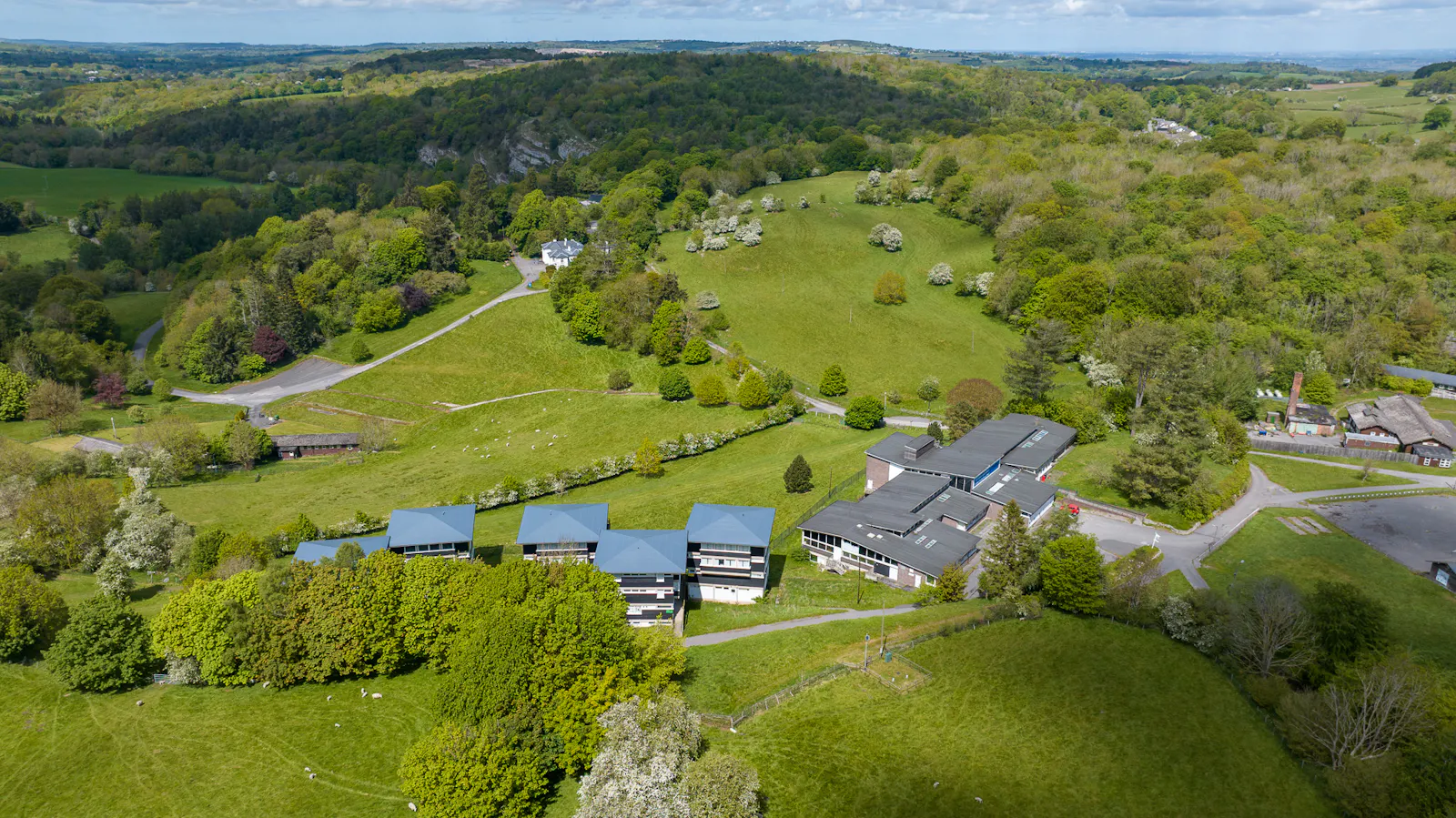
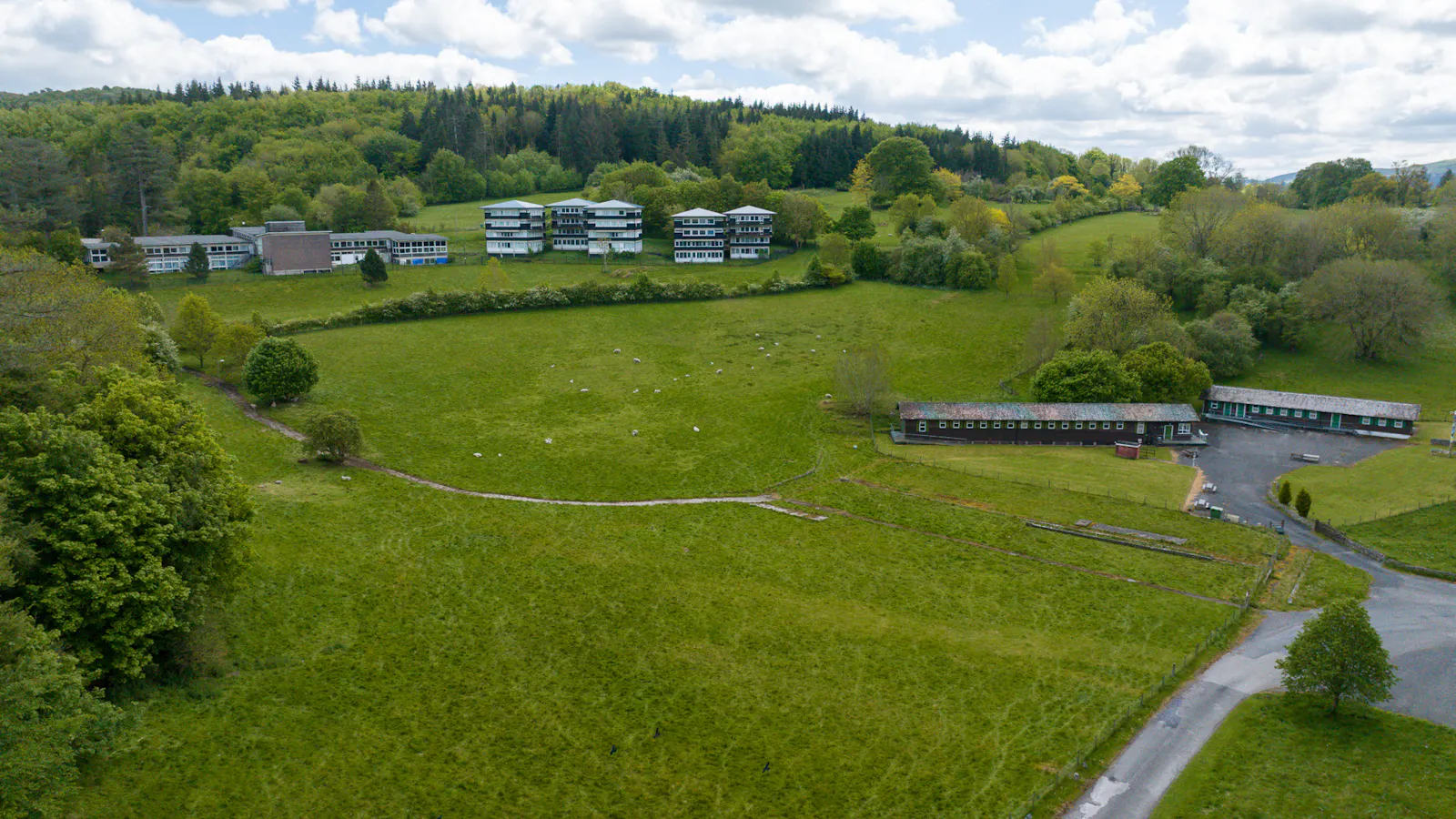
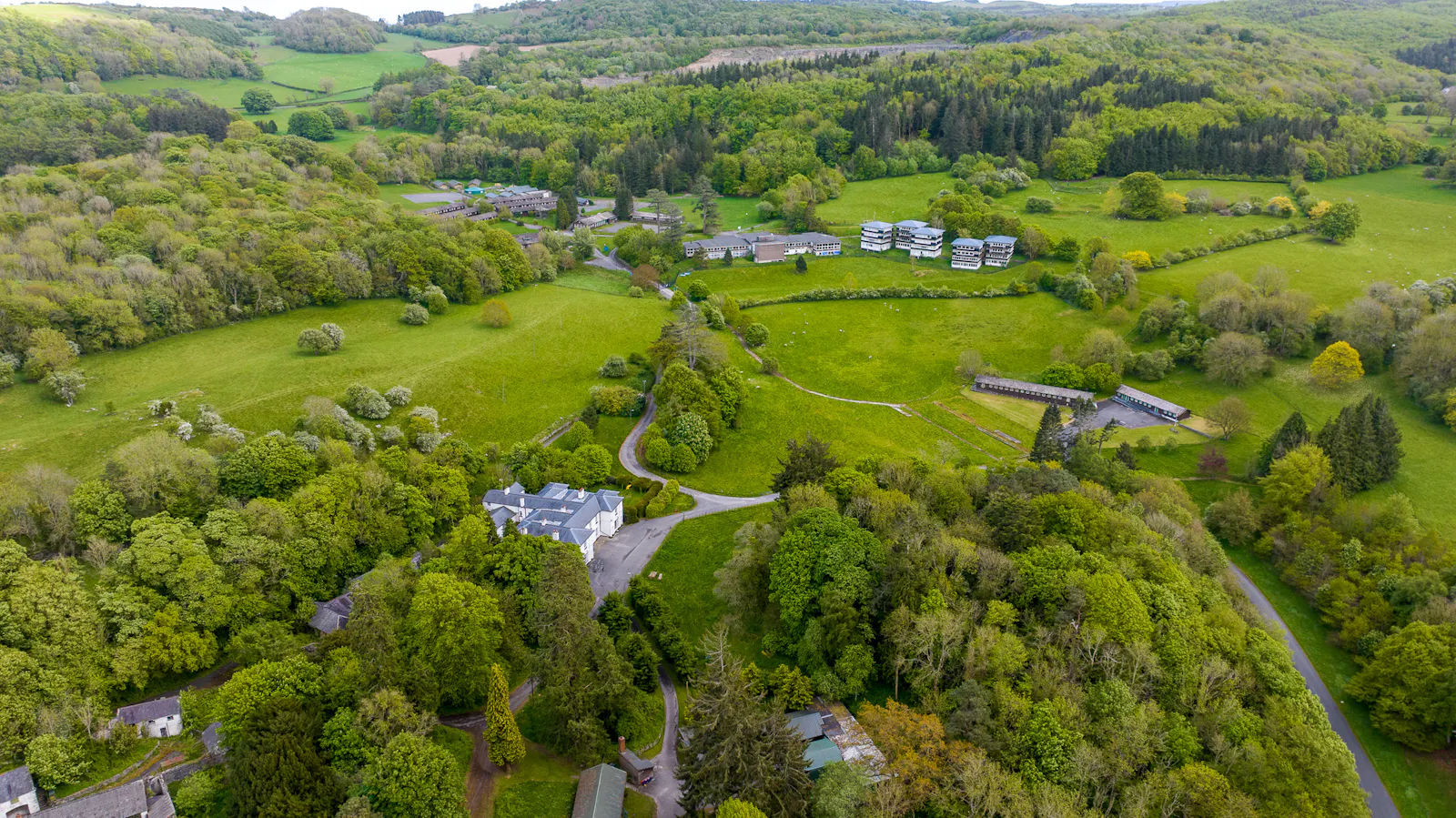
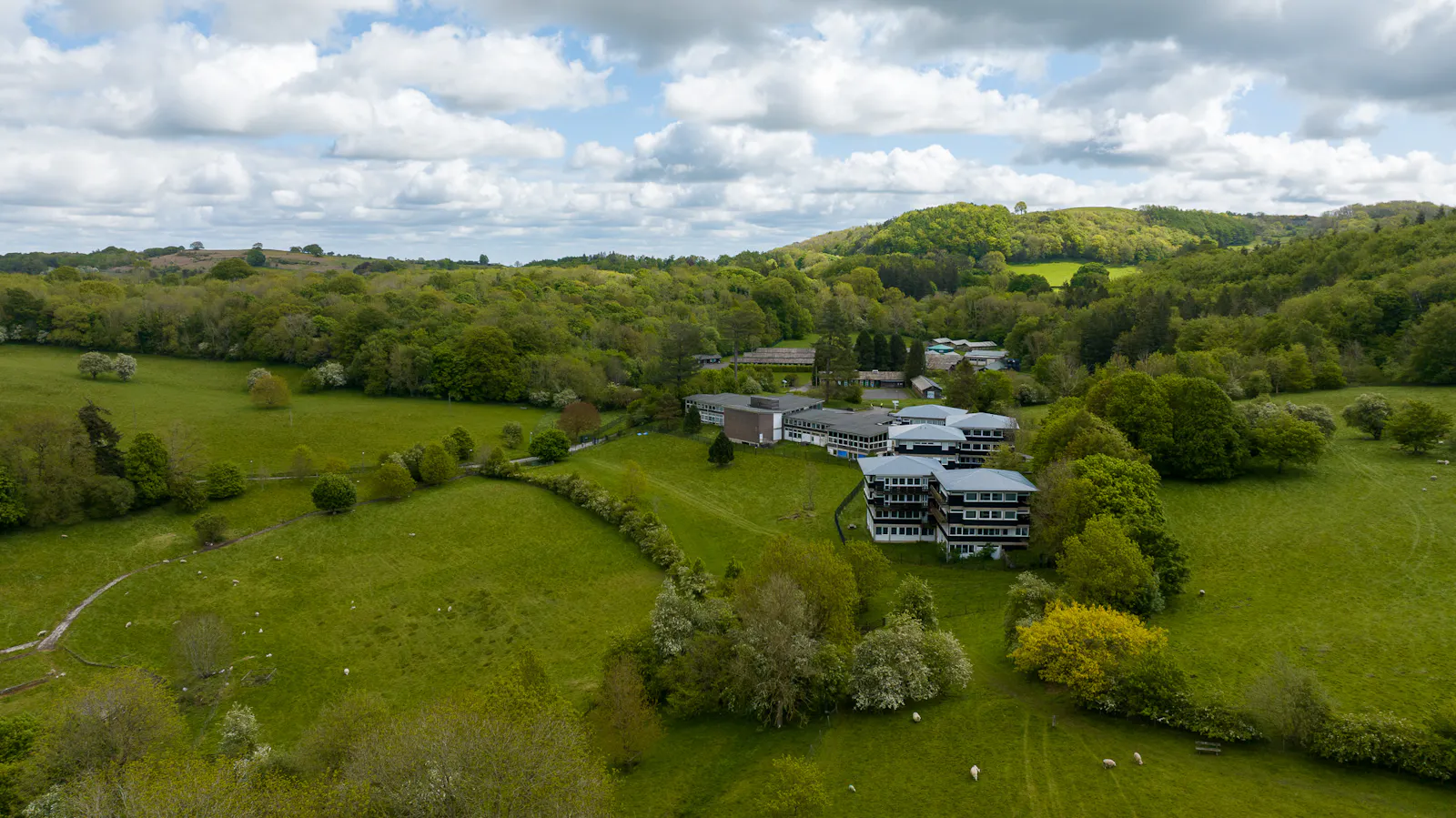
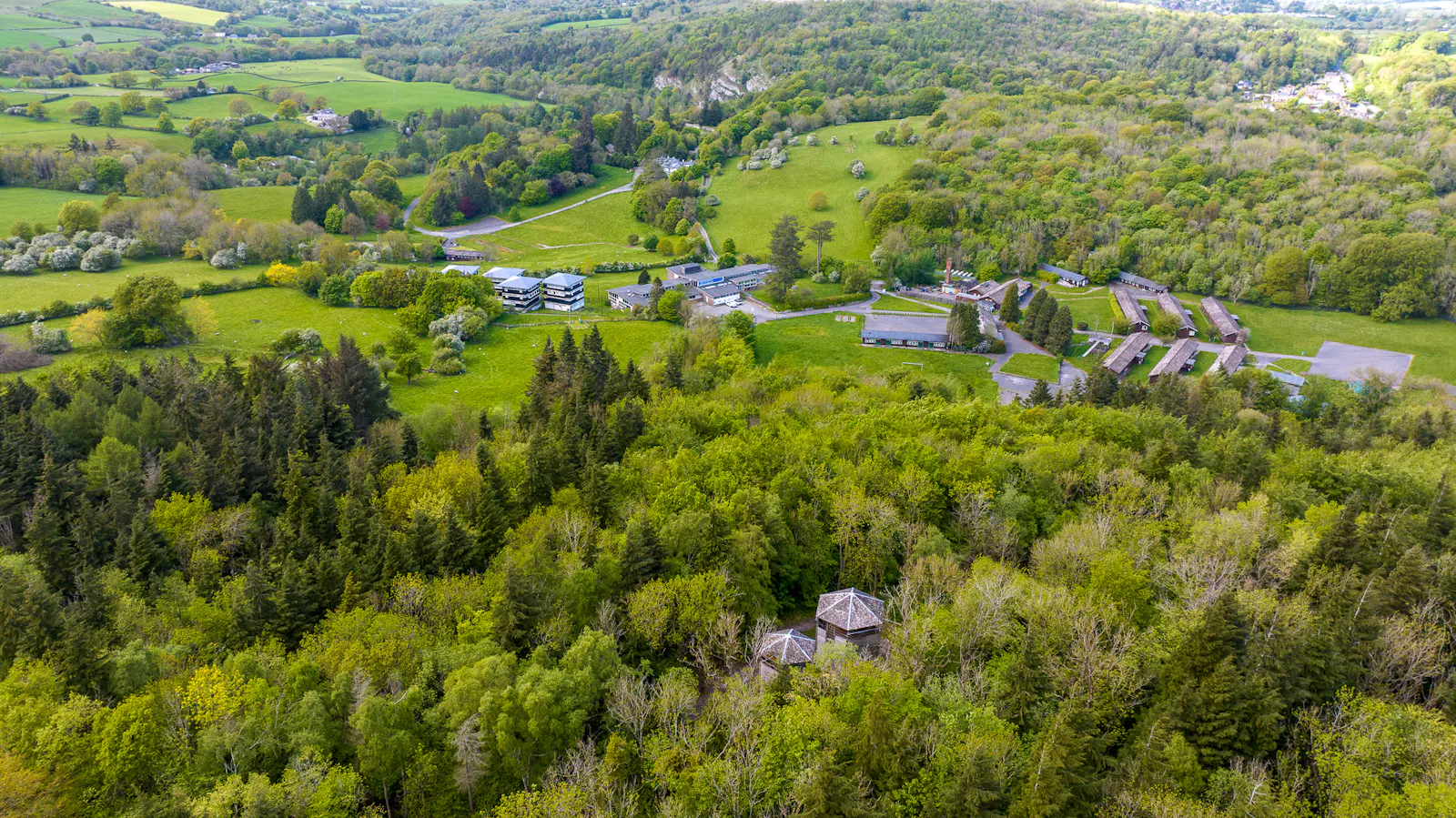
Colomendy comprises a substantial, predominantly low-density site extending across a mix of developed and undeveloped land, totalling 105.7 Acres (42.77 Hectares), set within an attractive landscape including woodland, open space and a lake.
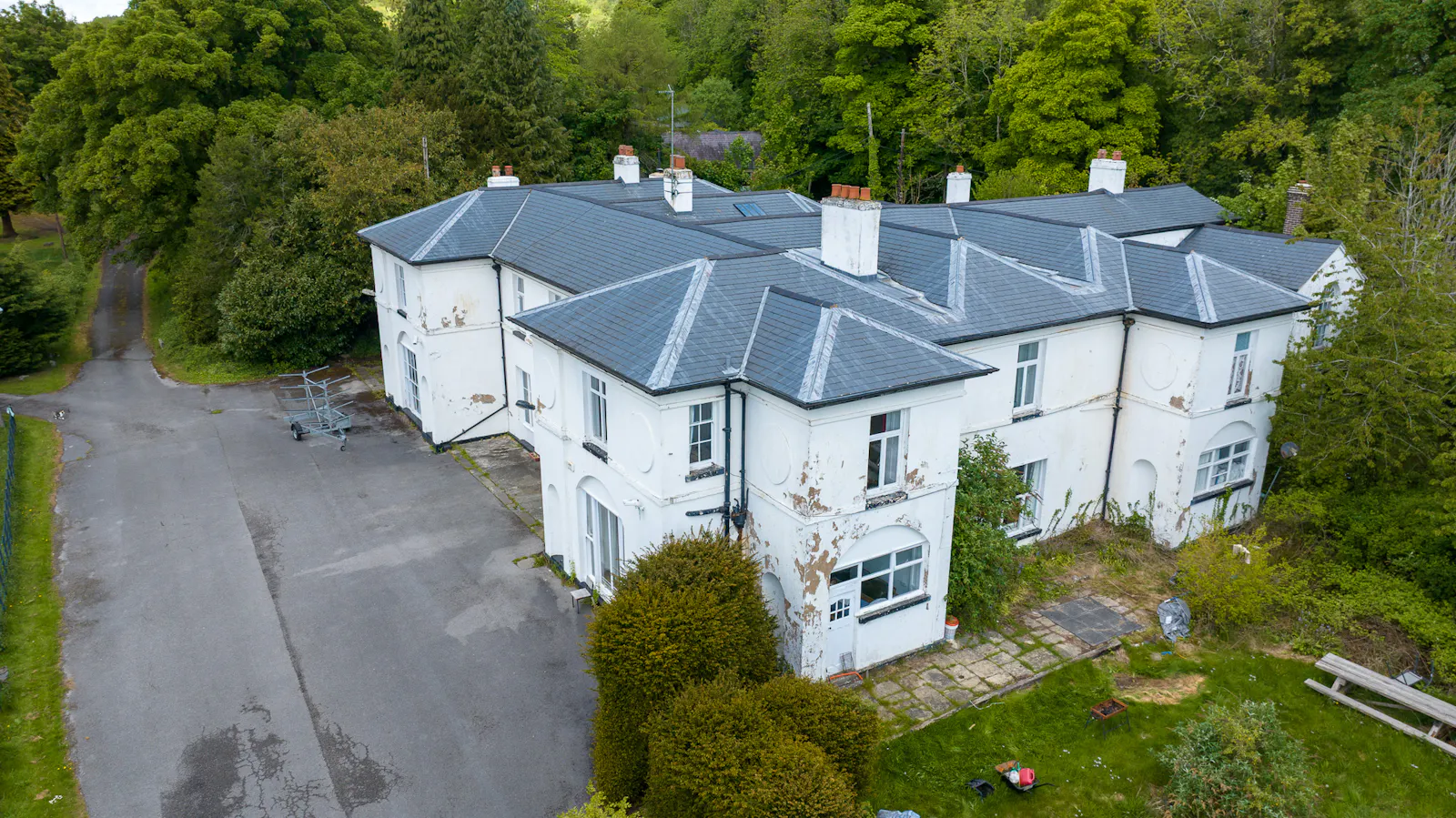
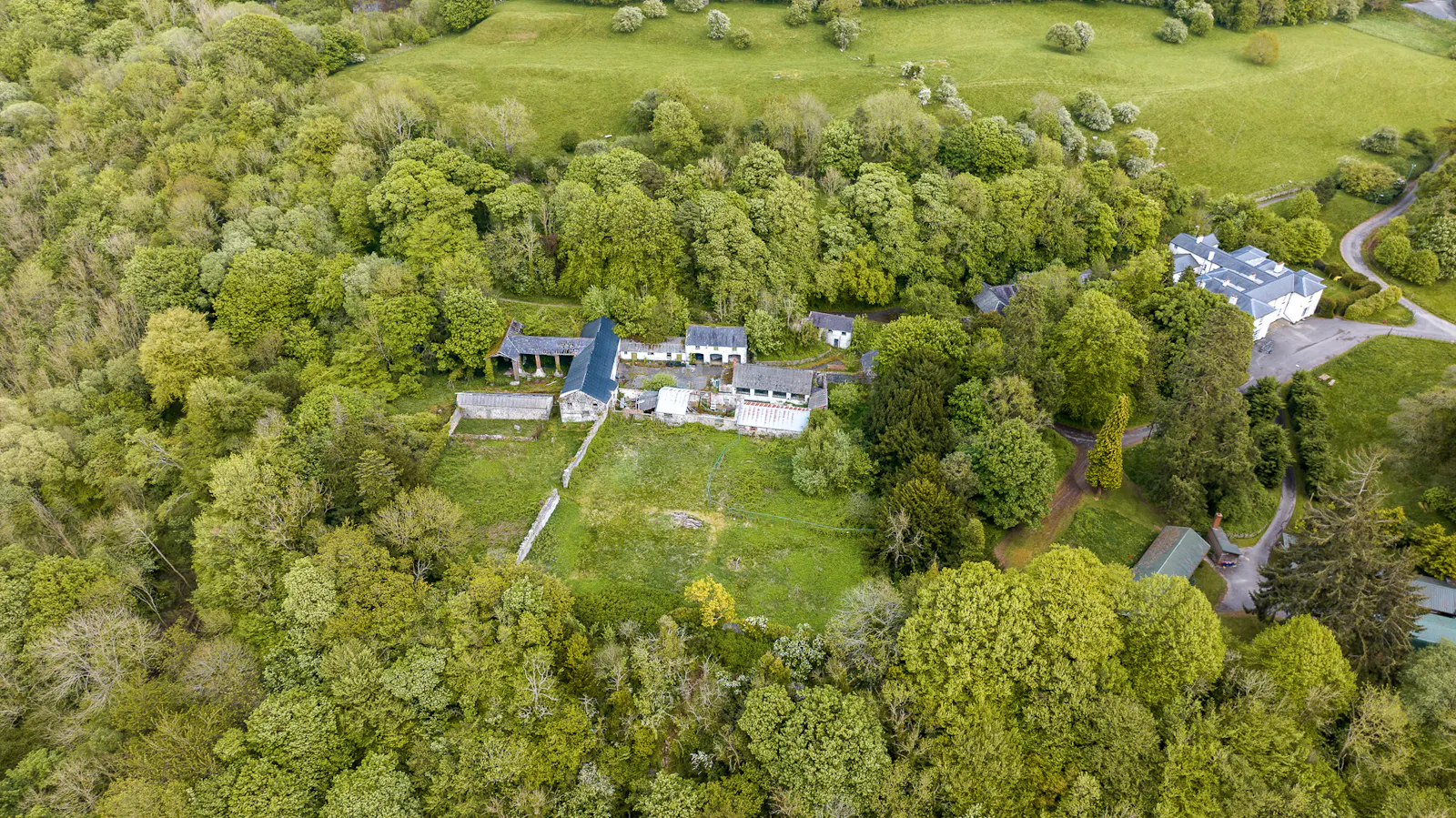
The site is anchored by a Grade II listed principal house Colomendy Hall, dating from the early 19th century, which forms the historic core of the estate. The building provides character accommodation and presents a clear opportunity for refurbishment and repositioning, subject to the necessary consents.
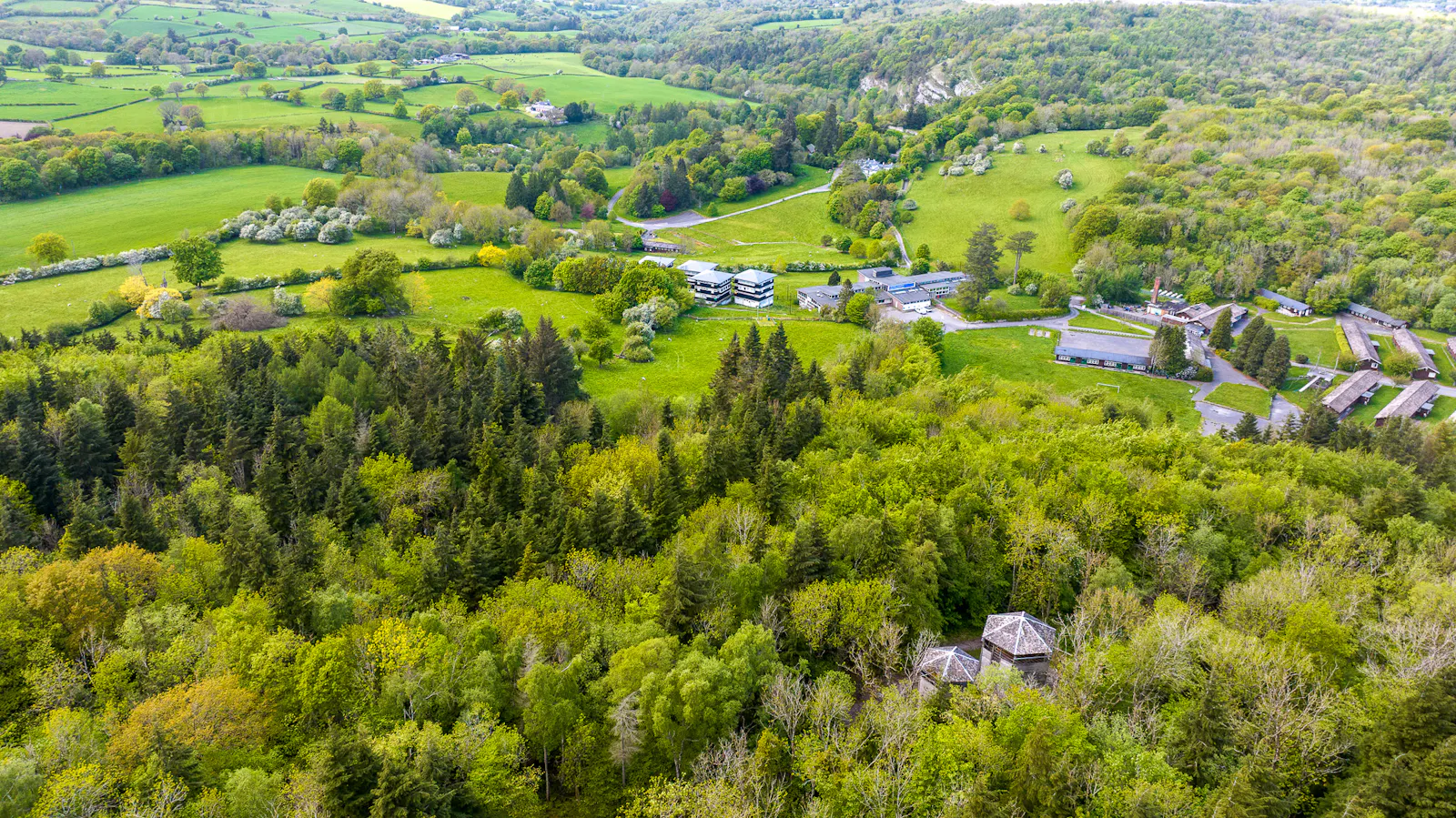
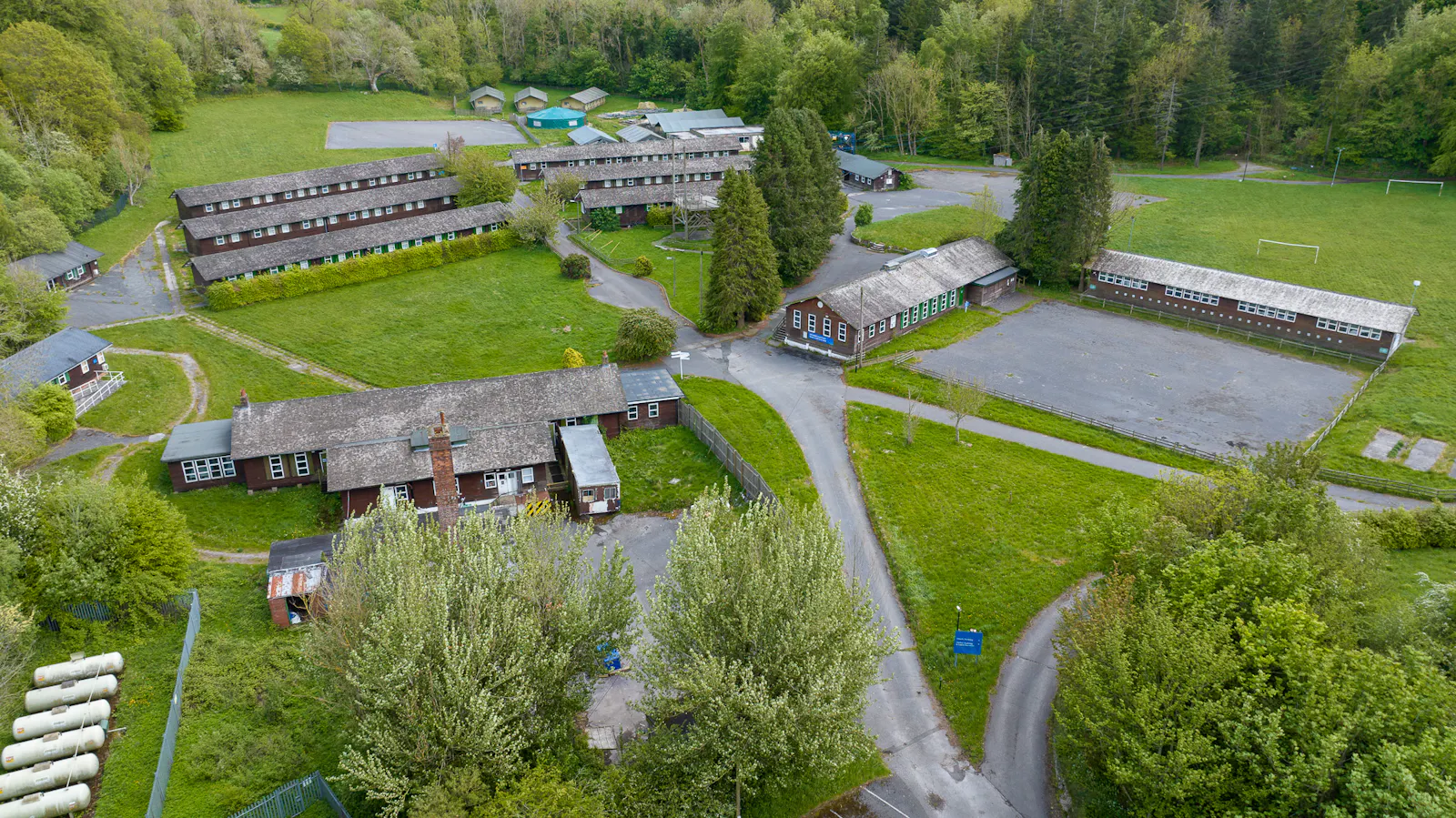
The wider estate has been developed over time to provide extensive residential accommodation and supporting facilities, historically operating at scale and capable of accommodating a significant number of guests. The built form includes a mix of traditional and later structures, notably:
- A series of timber-clad dormitory buildings, understood to date from the late 1930s/early 1940s, arranged at low density across the site
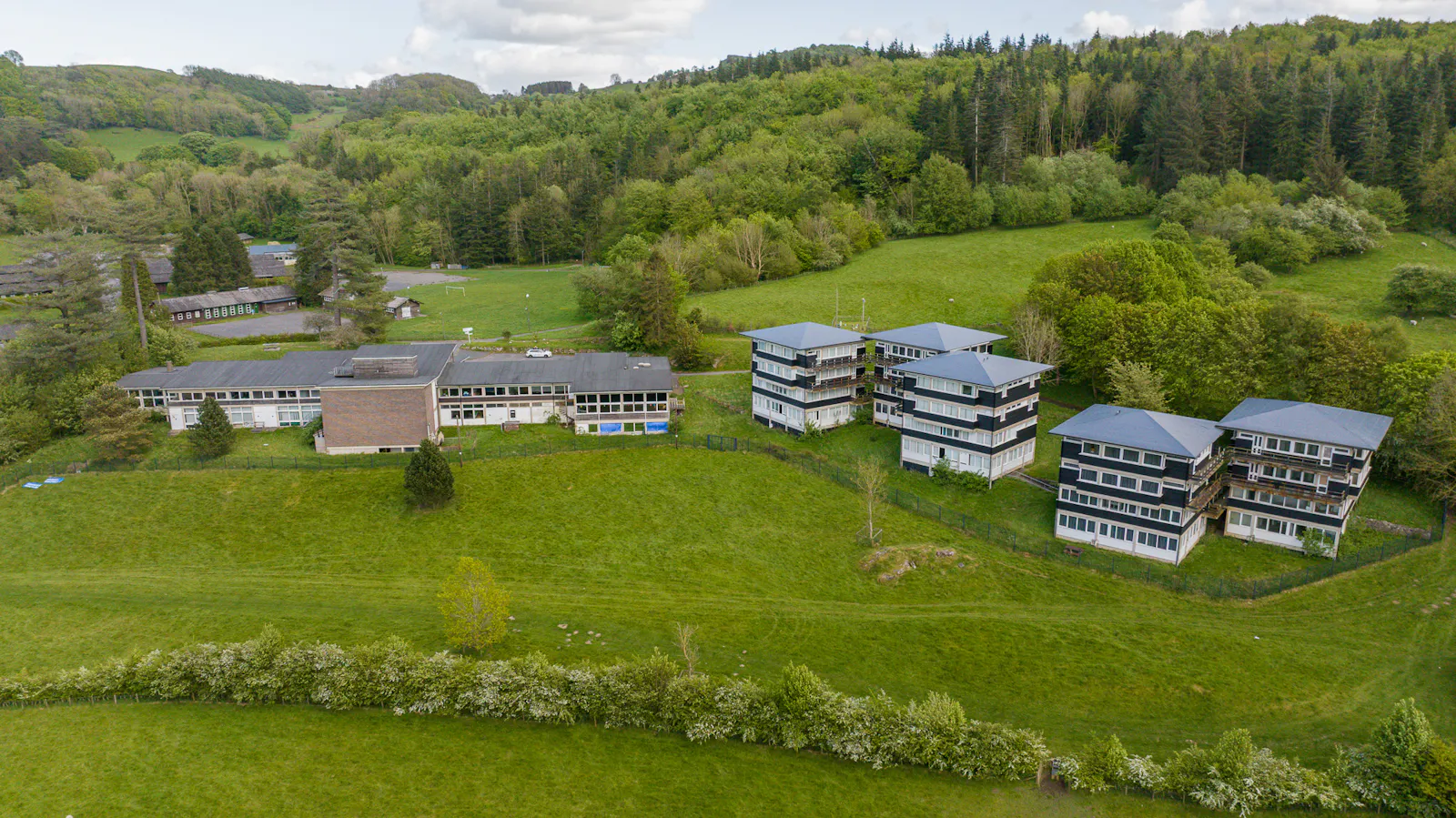
- Five multi-storey accommodation blocks, providing substantial dormitory-style capacity
- A range of ancillary buildings, including a central reception hub, dining and catering facilities, meeting spaces, leisure provision (including swimming pool and climbing wall), and staff accommodation
- Alternative accommodation areas, including safari tents and yurts
Gallery